

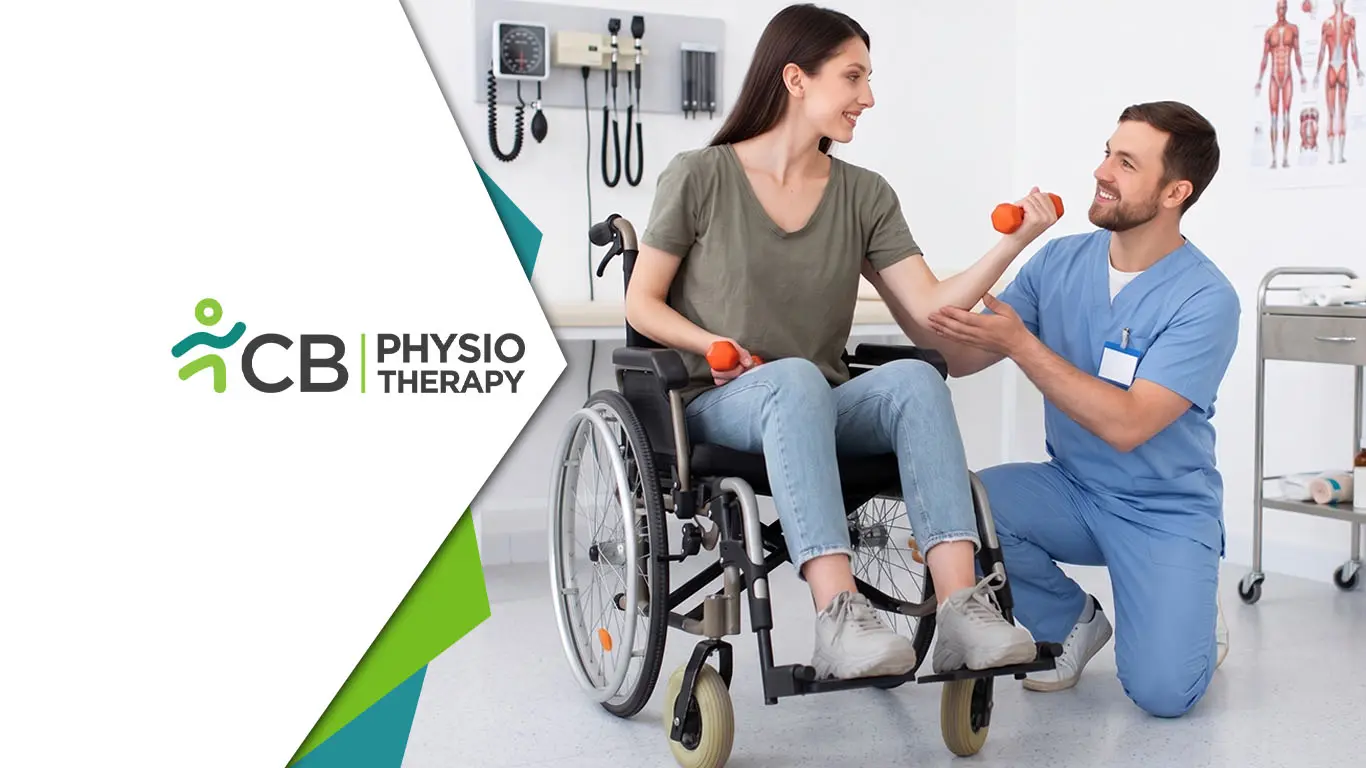
Palliative care focuses on improving the quality of life for individuals facing serious, often life-limiting illnesses. While it is commonly associated with pain management and emotional support, physiotherapy plays an equally vital—yet sometimes underappreciated—role in this holistic approach. By addressing physical discomfort, mobility challenges, and functional independence, physiotherapy helps patients live more comfortably and meaningfully during every stage of their journey.
Redefining Goals: Comfort
Over Cure
At its core, physiotherapy
in palliative care is not about curing disease or restoring full physical
function. Instead, it emphasizes comfort, dignity, and the preservation of
independence wherever possible. Each intervention is tailored to the
individual’s condition, symptoms, and personal goals. Whether it’s helping a
patient sit up without pain, breathe more easily, or simply move from bed to
chair, even small improvements can have a profound impact on daily life.
· Pain Management Through Gentle Techniques
One of the primary goals
of physiotherapy in this context is pain management. Chronic pain is a common
and distressing symptom for many palliative care patients. Physiotherapists use
Tens, IFT, etc and a range of gentle techniques—such as soft tissue
mobilization, positioning strategies, and therapeutic exercises—to alleviate
discomfort. Unlike pharmacological treatments, these approaches often have
minimal side effects and can be adjusted easily as the patient’s condition
evolves. Heat therapy, relaxation techniques, and guided movement can further
help reduce muscle tension and improve overall comfort.
· Easing Breathlessness (Dyspnea)
Breathlessness, or
dyspnea, is another challenging symptom frequently experienced by patients with
advanced illnesses, particularly those with respiratory or cardiac conditions.
Physiotherapists can teach breathing exercises, posture adjustments, and energy
conservation techniques that make breathing more efficient and less
distressing. Simple interventions, like positioning a patient upright or
supporting their arms, can significantly ease respiratory effort and provide
immediate relief.
· Maintaining Mobility
and Preventing Complications
Maintaining mobility is
another key focus area. Even when full mobility is not achievable, preserving
some level of movement helps prevent complications such as pressure sores,
joint stiffness, and muscle wasting. Physiotherapists design individualized
exercise programs that are safe, gentle, and aligned with the patient’s energy
levels. These may include passive movements, assisted walking, or bed-based
exercises. The aim is not to push limits but to sustain function and reduce discomfort
associated with immobility.
· Promoting Independence
and Dignity
Equally important is the
role physiotherapy plays in enhancing independence. Losing the ability to
perform basic daily activities can be emotionally distressing for patients.
Physiotherapists work closely with patients and caregivers to adapt movements
and environments, making tasks like sitting, standing, or transferring more
manageable. They may recommend assistive devices or teach techniques that
reduce strain and improve safety. These small adjustments often restore a sense
of control and dignity, which is invaluable in palliative care.
· Managing Fatigue
Effectively
Fatigue management is
another crucial aspect. Many patients experience persistent exhaustion that
limits their ability to engage in daily life. Physiotherapists help by
introducing pacing strategies, prioritizing activities, and balancing rest with
gentle movement. Rather than encouraging constant activity, the focus is on
using energy wisely—ensuring that patients can participate in the moments that
matter most to them.
· Supporting Emotional
Well-being
Physiotherapy also
supports emotional well-being. Physical discomfort and limited mobility can
contribute to feelings of frustration, anxiety, and isolation. By enabling movement
and reducing symptoms, physiotherapy can improve mood and foster a sense of
accomplishment. The therapeutic relationship itself—built on empathy, trust,
and communication—often becomes a source of comfort for patients and their
families.
· Empowering
Caregivers
Caregiver support is
another essential component. Family members and caregivers often play a central
role in palliative care, and physiotherapists provide them with guidance on
safe handling techniques, positioning, and basic exercises. This not only
prevents injury to caregivers but also ensures that patients receive
consistent, effective support between professional visits.
· Adapting to
Changing Needs
Importantly, physiotherapy
in palliative care is highly adaptable. As a patient’s condition changes, so
too does the approach. Interventions may become more focused on comfort and
less on activity, but the underlying goal remains the same: to enhance quality
of life. This flexibility ensures that care remains relevant, respectful, and
aligned with the patient’s needs and preferences.
Power of Teamwork in
Palliative Care
Collaboration is at the
heart of effective palliative care. Physiotherapists work alongside doctors,
nurses, occupational therapists, and counselors to provide comprehensive support.
This multidisciplinary approach ensures that all aspects of a patient’s
well-being—physical, emotional, and social—are addressed in a coordinated
manner.
Enhancing Life, One
Movement at a Time
In conclusion,
physiotherapy is a powerful tool in palliative care, offering far more than
physical rehabilitation. It provides comfort, supports independence, and helps
patients navigate their daily lives with greater ease and dignity. By focusing
on what patients can do rather than what they cannot, physiotherapy brings a
sense of empowerment and humanity to care. Even in the face of serious illness,
it reinforces the idea that quality of life can always be nurtured—one movement
at a time.