Myalgia
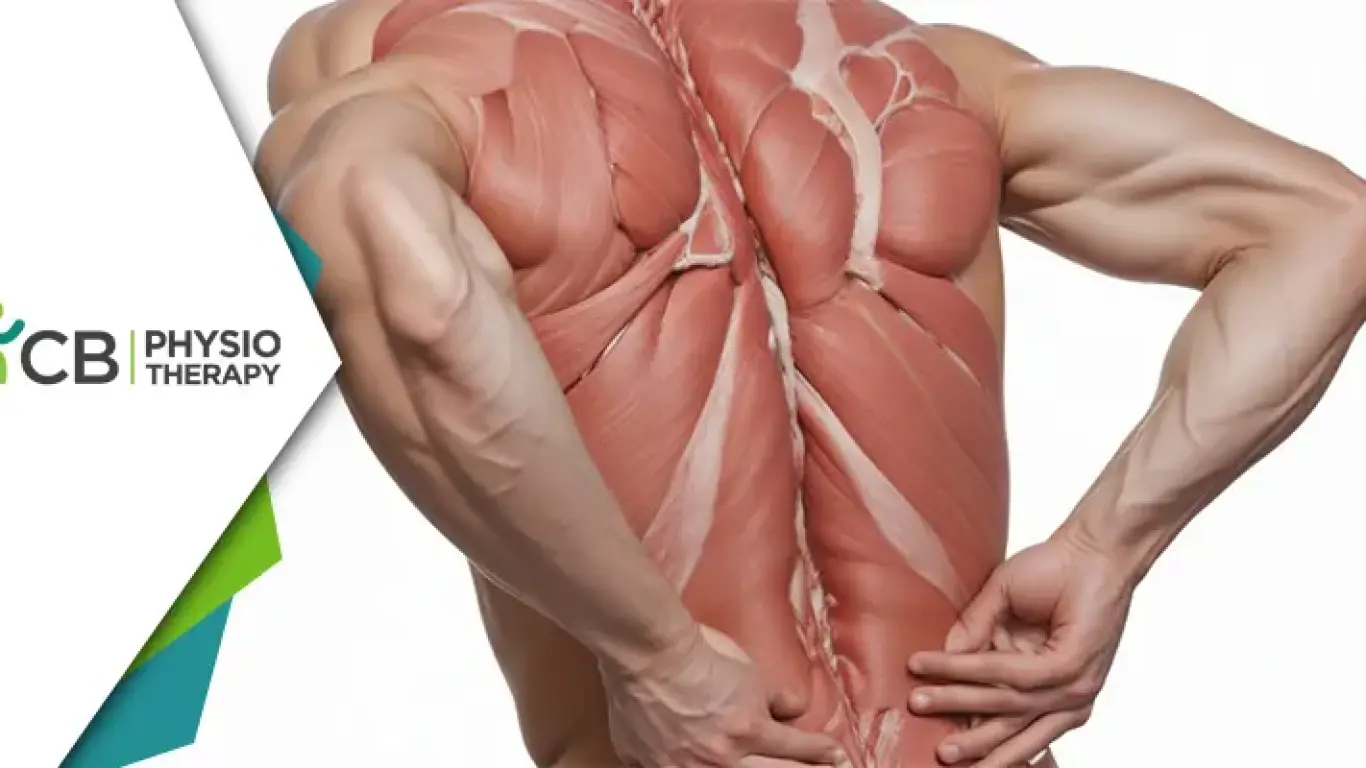
is the medical term for muscle pain. Myalgia refers to muscle aches and pain
that can affect one or multiple muscles in the body.
The symptoms of myalgia vary depending on the underlying cause, but generally include:
1. Dull or sharp aching in the muscles
2. Soreness or tenderness
3. Muscle stiffness
4. Sometimes swelling or weakness
Here’s
a comprehensive list of causes of myalgia (muscle pain), grouped by category:
1. Physical Causes
Muscle overuse (e.g, after exercise or manual labor)
Muscle strain or injury
Poor posture
Repetitive motion
2. Infections
Viral infections (e.g. influenza, COVID-19, dengue, Epstein-Barr virus)
Bacterial infections (e.g. Lyme disease, strep throat)
Parasitic infections (e.g. trichinosis, malaria)
3. Medications and Substances
Statins (cholesterol-lowering drugs)
ACE inhibitors (for blood pressure)
Corticosteroids withdrawal
Cocaine or alcohol abuse
4. Chronic and Autoimmune Diseases
Polymyositis / Dermatomyositis
Lupus (SLE)
5. Endocrine and Metabolic Disorders
Hypothyroidism (underactive thyroid)
Diabetes
Electrolyte imbalances (e.g. low potassium, calcium, magnesium)
Vitamin D deficiency
Adrenal insufficiency
6. Neurological Disorders
Peripheral neuropathy
Multiple sclerosis
Myasthenia gravis
7. Other Causes
Chronic fatigue syndrome
Dehydration
Depression or anxiety
Here
is a list of risk factors for myalgia (muscle pain) — these are conditions or
habits that make a person more likely to develop muscle pain:
1. Physical Activity and Strain
Intense or unfamiliar exercise
Improper lifting techniques
Repetitive motions
Poor posture or ergonomics
Lack of warm-up/stretching
2. Infections
Exposure to viral (e.g., flu, COVID-19) or bacterial infections
Weakened immune system (e.g., HIV, chemotherapy)
3. Medications and Substances
Use of statins (cholesterol drugs)
Blood pressure medications (e.g., ACE inhibitors)
Withdrawal from corticosteroids
Substance use (alcohol, cocaine)
4. Chronic Health Conditions
Autoimmune diseases (e.g., lupus, rheumatoid arthritis)
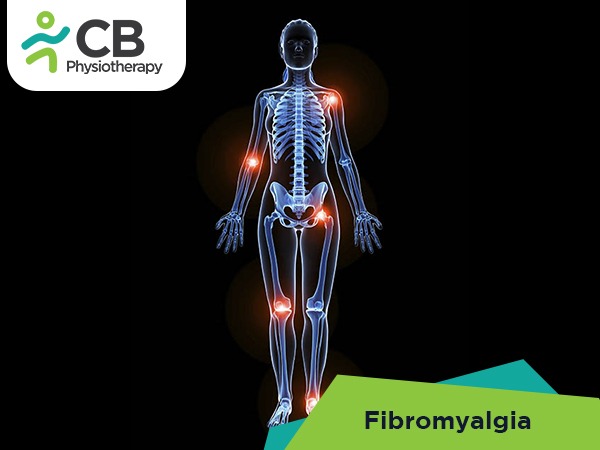
Fibromyalgia
Chronic fatigue syndrome
Thyroid disorders (especially hypothyroidism)
Diabetes and related complications
Kidney or liver disease
5. Nutritional & Metabolic Factors
Vitamin D deficiency
Low levels of potassium, calcium, or magnesium
Dehydration
6. Psychological Factors
Stress or anxiety
Depression
Sleep disorders (e.g., insomnia, sleep apnea)
7. Age and Gender
Older adults (due to muscle loss, chronic illness)
Females (higher risk for conditions like fibromyalgia)
8. Environmental or Occupational Factors
Cold environments (may cause muscle tightness)
Sedentary lifestyle
Physically demanding jobs
Here
are preventive measures to help reduce the risk of developing myalgia (muscle
pain):
1.
Exercise Wisely
Avoid overexertion — increase intensity
gradually
Stretch regularly to maintain flexibility
Include strength training to support muscle
health
2.
Practice Good Posture
Avoid slouching or sitting for long periods
Take breaks and stretch during long work
sessions
3.
Stay Hydrated
Avoid excessive caffeine and alcohol, which
can cause dehydration
4.
Eat a Balanced Diet
· Ensure adequate intake of:
Vitamin D
Calcium
Magnesium
Potassium
Protein
Include anti-inflammatory foods (e.g., leafy
greens, berries, omega-3s)
5.
Manage Stress
Get regular physical activity to reduce
tension
Consider counseling or therapy if needed
6.
Get Enough Sleep
Treat sleep disorders like insomnia or sleep
apnea
7.
Avoid Drug and Alcohol Misuse
Avoid recreational drug use
Limit alcohol intake
8.
Monitor Medications
Consult your doctor if you experience muscle
pain after starting a new medication
9.
Prevent Infections
Practice good hygiene
Treat infections early to avoid complications
10.
Regular Health Checkups
Early diagnosis and management reduce the risk
of muscle complications.
You
should seek medical help for myalgia (muscle pain) if you experience any of the
following:
1.
Severe or Persistent Pain
Pain that lasts more than a few days without
improvement
2.
Muscle Weakness
Difficulty moving the affected area
3.
Associated Symptoms
Swelling, redness, or warmth over the painful
muscles (possible infection)
Rash or skin changes
Unexplained weight loss
Fatigue or malaise
4.
After Injury or Trauma
Suspected muscle tear or fracture
5.
Medication-related
Muscle pain accompanied by dark urine or
unusual symptoms (could indicate rhabdomyolysis)
6.
Other Concerning Signs
Pain that interferes with daily activities or
sleep
Symptoms of neurological problems: numbness,
tingling, or paralysis
Treatment options for Myalgia (Muscle Pain) are diverse,
depending largely on the underlying cause. They can be categorized into medical
treatments and lifestyle changes.
Treatment may involve:
Physiotherapy
Over-the-counter pain relievers (like
ibuprofen or acetaminophen) [Note: Medication should not be taken without the
doctor’s prescription.]
·
Here’s
a rundown of common physiotherapy treatments for myalgia (muscle pain):
Physiotherapy
Treatment for Myalgia
1.
Assessment & Diagnosis
Thorough
evaluation of muscle pain location, severity, and cause
Assessment
of posture, muscle strength, flexibility, and movement patterns
2.
Pain Relief Techniques
Heat
therapy (hot packs, warm baths) to relax muscles and improve blood flow
Cold
therapy (ice packs) to reduce inflammation and numb pain
Ultrasound
therapy to promote tissue healing and reduce pain
Transcutaneous
Electrical Nerve Stimulation (TENS) to block pain signals
Laser
therapy to enhance ATP production
CRET
therapy to promote circulation and relaxation
Massage
to ease muscle tension and improve circulation
Trigger
point therapy to release tight muscle knots
Myofascial
release to loosen connective tissue restrictions
4.
Exercise Therapy
Stretching
exercises to improve muscle flexibility and reduce stiffness
Strengthening
exercises to support weak muscles and prevent future injury
Range
of motion exercises to maintain or restore joint mobility
Aerobic
conditioning for overall fitness and muscle endurance
5.
Relaxation Techniques
Breathing
exercises or guided relaxation to reduce muscle tension related to stress
Typical
Duration and Frequency
Depends
on the severity and cause, but often involves multiple sessions over weeks
Gradual
progression of exercises and activities.
6.
Posture and Ergonomics Training
Advice
on proper posture during daily activities and work
Recommendations
for ergonomic adjustments at work or home to prevent strain
7.
Education and Self-Management
Teaching
correct movement patterns and body mechanics
Guidance
on activity modification to avoid aggravating pain
Advice
on home exercises and stretches to maintain progress