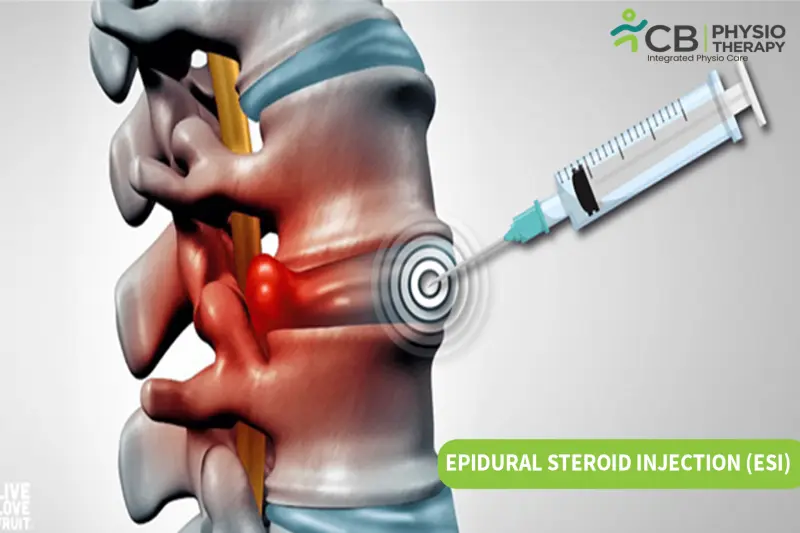
Epidural Steroid Injection (ESI) is a minimally invasive spine pain injection used to reduce inflammation and relieve pain caused by irritated spinal nerves.
The injection is given in the epidural space (the area around the spinal cord and nerve roots).
Usually, two medications are injected:
Local Anesthetic
Purpose:
Gives immediate pain relief
Confirms correct nerve level
Improves patient comfort during procedure
Corticosteroid
Purpose:
Reduces inflammation around compressed nerve roots
Controls swelling
Provides long-term pain relief
The anesthesia works immediately, while the steroid starts working within 24–72 hours.
Why Both Are Used?
Immediate pain relief (local anesthetic)
Long-term inflammation control (steroid)
Diagnostic + therapeutic benefit
Lumbar Epidural Injection – for lower back and leg pain
Cervical Epidural Injection – for neck and arm pain
Caudal Epidural Injection – given from tailbone area
Transforaminal Epidural Injection – targeted nerve root injection
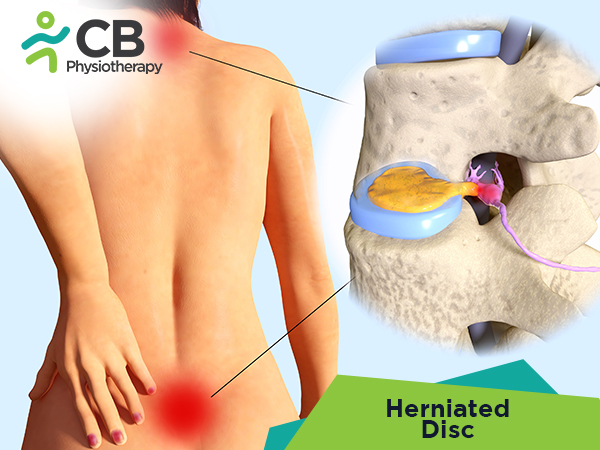
An epidural injection works by reducing inflammation around irritated spinal nerve roots, which are usually compressed by a disc bulge, herniation, or spinal stenosis.
Exact Procedure (Step-by-Step)
Patient lies prone or sideways
Skin is cleaned and sterilized
Local anesthesia given to numb skin
Needle inserted under fluoroscopy (X-ray guidance)
Contrast dye used to confirm correct position
Steroid + anesthetic injected
Needle removed and small dressing applied
Procedure time: 15–30 minutes
Observation time: 30–60 minutes
Same-day discharge
During procedure:
Mild pressure sensation
Temporary tingling in leg/arm (normal)
After procedure:
Immediate relief due to anesthetic
Mild soreness at injection site
Steroid effect begins in 1–3 days
The number of epidural steroid injections required depends on the severity of nerve inflammation and the patient’s response to the first injection.
Usually 1 injection initially
Maximum 3 injections per year (depending on condition)
Often spaced 2–4 weeks apart
(Depends on severity & response)
Yes, when performed under image guidance by a trained pain specialist.
Possible minor side effects:
Temporary increase in pain
Facial flushing
Temporary rise in blood sugar
Serious complications are rare.
The effects of epidural steroid injection are as follows:
Faster inflammation control
Reduced nerve irritation
Relief in radiating pain (sciatica)
Improved mobility
Better participation in physiotherapy
May delay or avoid surgery
Here are the contraindications for Epidural Steroid Injection:
Active local or systemic infection
Uncontrolled bleeding disorder
Patient on anticoagulants (without proper stoppage protocol)
Allergy to steroid, local anesthetic, or contrast dye
Lack of patient consent
Relative Contraindications (Use Caution)
Uncontrolled diabetes (steroids raise blood sugar)
Severe spinal deformity
Pregnancy
Severe spinal canal compromise
Uncontrolled hypertension
Immunocompromised patients
After pain relief, physiotherapy is essential as it helps:
Strengthen core muscles
Improve spinal stability
Prevent recurrence
Restore functional movement
Long-term results
Reduced dependency on repeated injections.