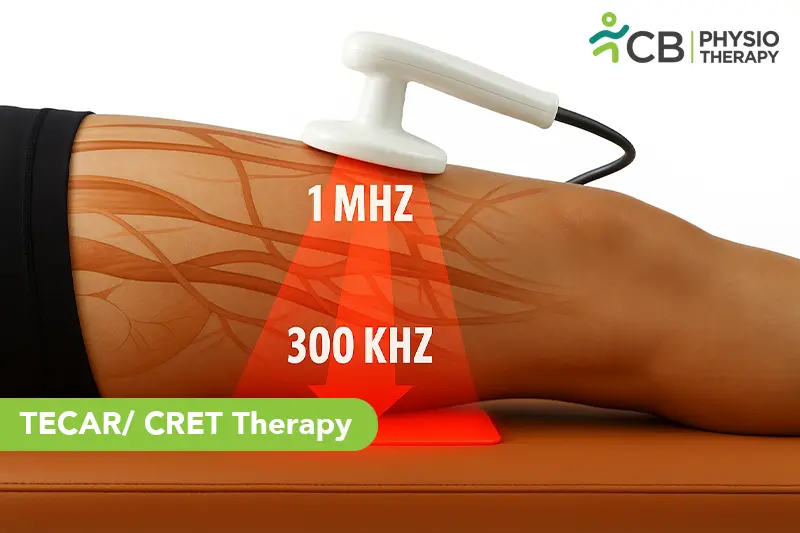
TECAR / CRET Therapy (Transfer of Energy – Capacitive and Resistive) is an advanced form of deep heat treatment that utilizes radiofrequency energy to activate the body’s natural healing mechanisms from within. Unlike conventional heat therapies that apply warmth externally, TECAR therapy generates internal heat directly in the tissues through electromagnetic energy. This targeted approach helps relieve pain, reduce inflammation, enhance blood circulation, and accelerate tissue regeneration.
By delivering high-frequency energy through targeted
treatment. TECAR / CRET Therapy helps:
2. Immediate analgesic effect by reducing nerve sensitivity and inflammation.
3. Accelerates healing
4. Enhances blood flow.
5. Reduces inflammation and Swelling
6. Helps drain excess fluid and reduce edema.
7. Improves Range of Motion
8. Helps restore flexibility and mobility by relaxing tight tissues.
9. Tissue Regeneration
10. Stimulates fibroblasts and promotes collagen synthesis for better structural healing.
TECAR / CRET therapy uses radiofrequency to generate deep
internal heat, accelerating healing and reducing pain. Unlike superficial
modalities like hot packs or ultrasound, it targets both soft and dense tissues
selectively (capacitive/resistive modes) and can be used actively during
movement, enhancing functional recovery.
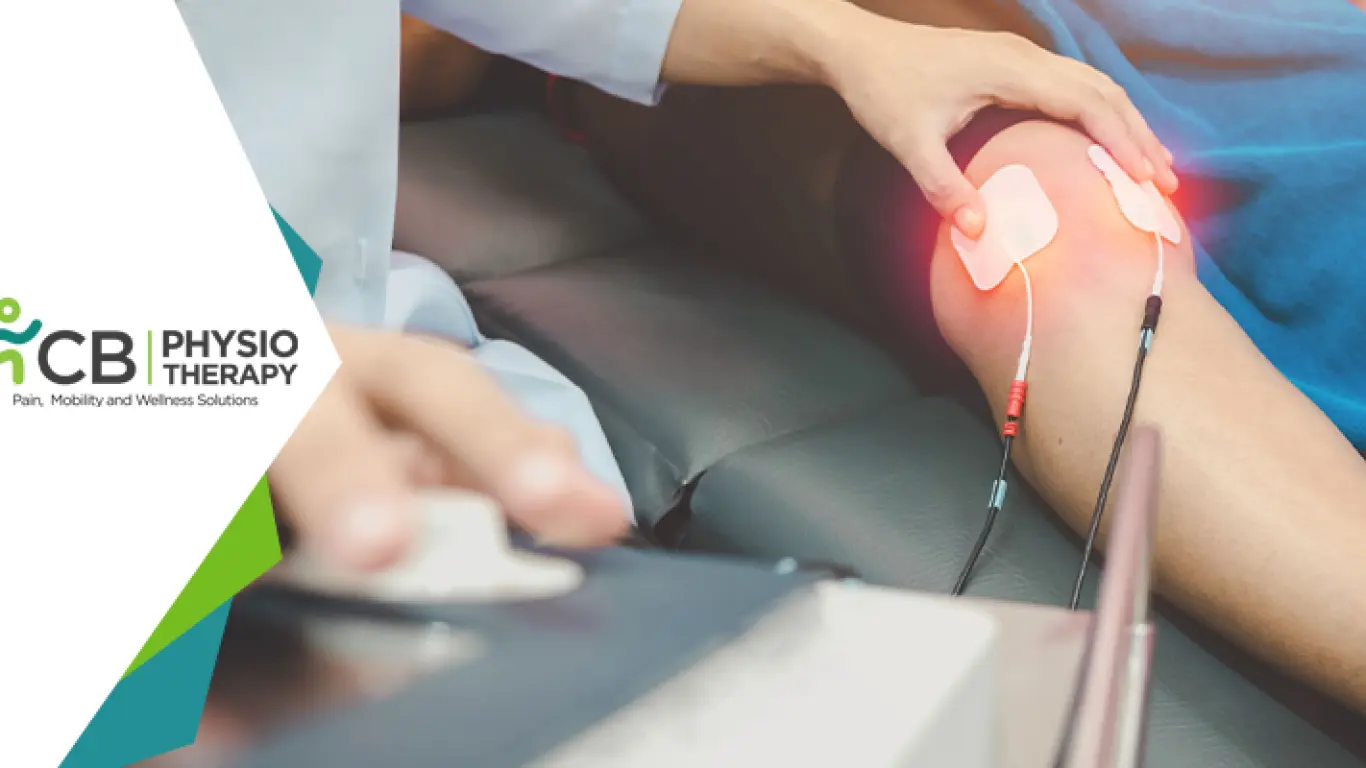
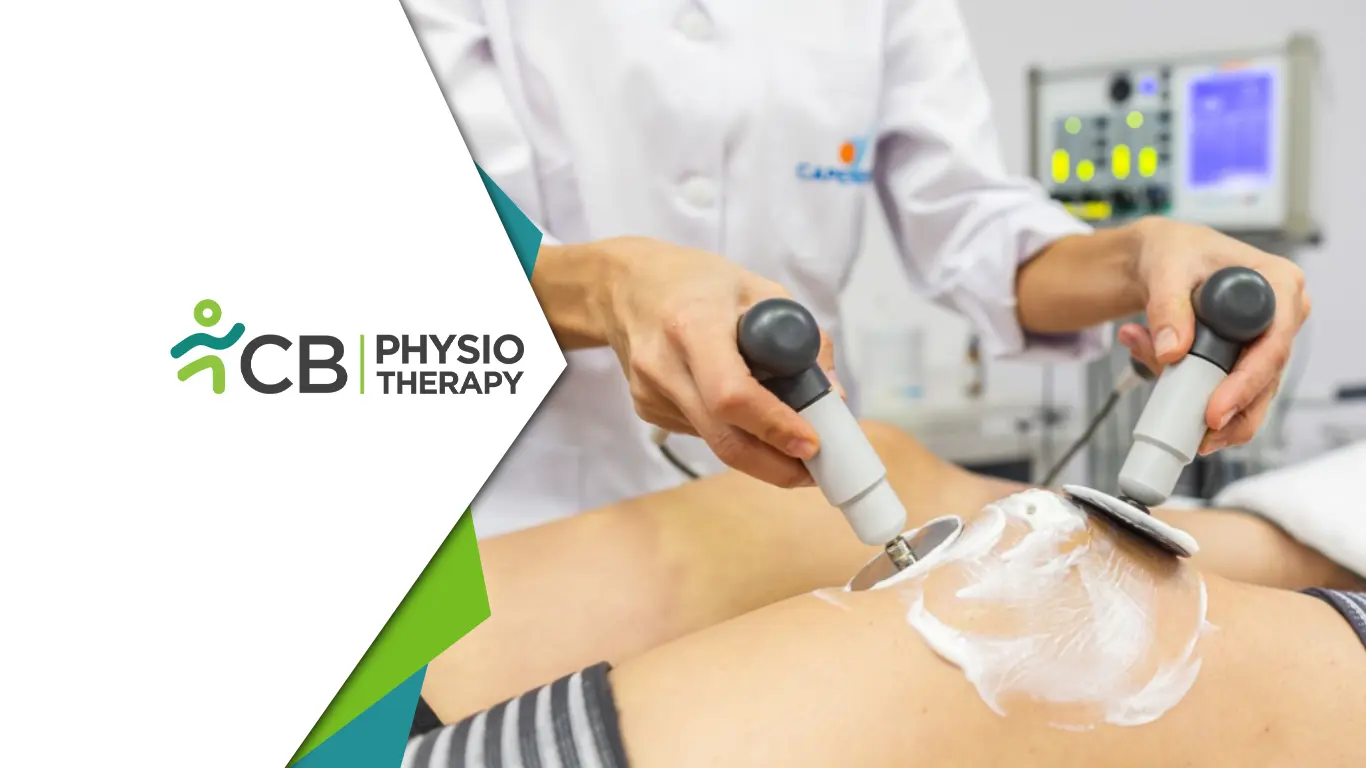
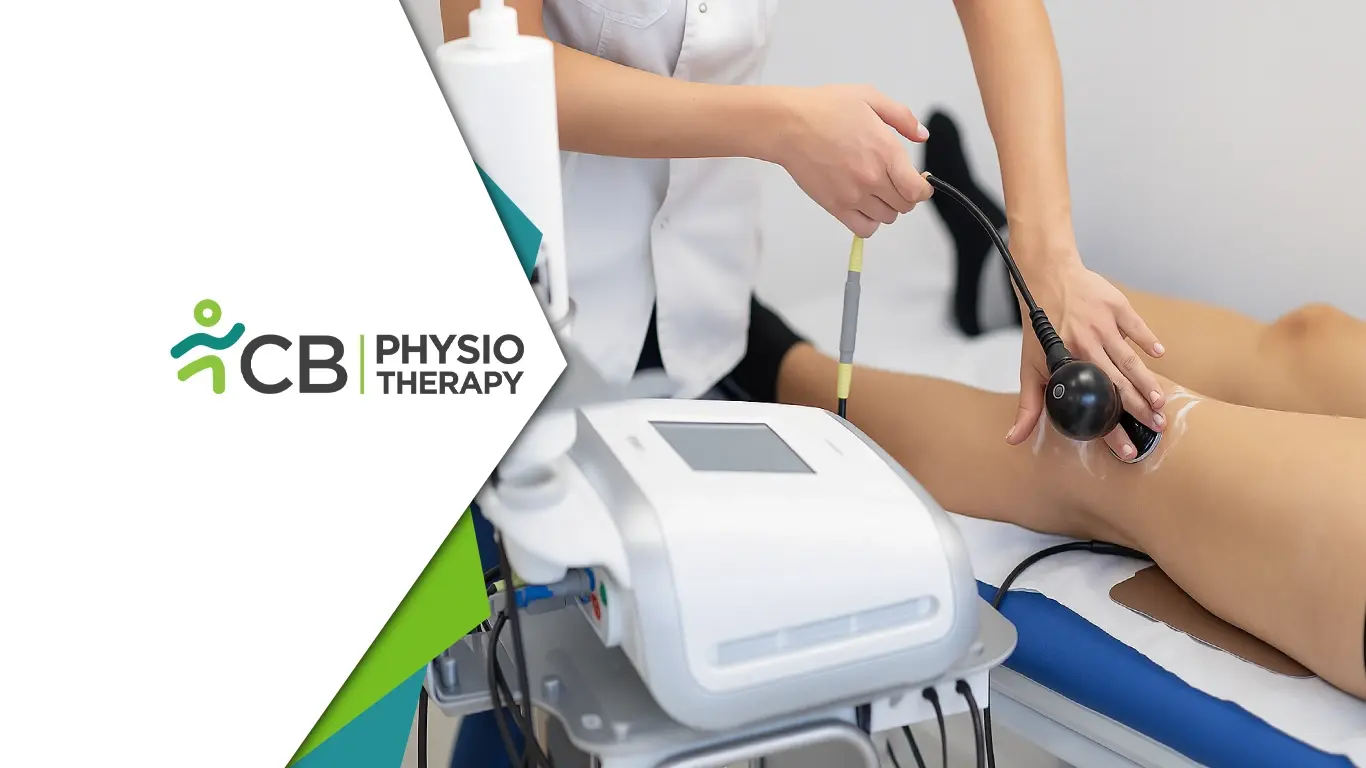
TECAR therapy is applied using specialized electrodes placed
on the skin by a physiotherapist. A conductive cream or gel is applied to
facilitate energy transfer. The therapist moves the electrode in gentle,
continuous motions over the affected area, adjusting intensity and mode based
on tissue depth and treatment goals.
TECAR Therapy
operates through radiofrequency energy, usually in the range of 300 kHz to 1.2
MHz. When applied to the body via specialized electrodes, this energy causes
ions within the tissues to oscillate, generating endogenous (internal) heat and
cellular stimulation.
2. Lymphatic drainage
3. Cell metabolism
4. Tissue oxygenation
These effects accelerate the repair of muscles, tendons,
ligaments, and joints, and reduce pain and stiffness.
TECAR Therapy uses two complementary modes depending on the
type and depth of the tissue being treated
1. Capacitive Mode (CET):
Targets superficial soft tissues like
muscles and skin.
Uses an insulated electrode.
Ideal for increasing blood flow,
relaxing muscles, and reducing superficial inflammation.
2. Resistive Mode (RET):
Uses a non-insulated electrode.
Effective for chronic inflammation,
fibrosis, joint stiffness, and deep pain.
Session Guidelines
1. Duration: Typically 15–30 minutes per session
2. Frequency: 2–4 sessions per week based on the condition.
3. Course: Acute injuries may need 4–6 sessions, while chronic
issues may require 8–10 sessions.
The physiotherapist customizes the treatment plan based
on diagnosis and patient response.
Most patients describe the sensation as warm, soothing, and
relaxing. The treatment is generally painless, and there’s no vibration,
needles, or invasive techniques involved. Some patients may feel mild warmth or
muscle release in the treated area, which is considered a sign of improved
circulation and tissue relaxation.
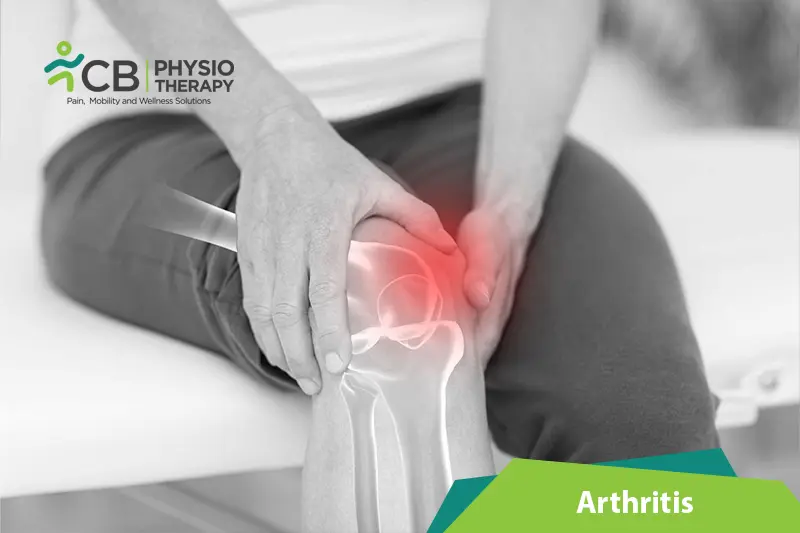
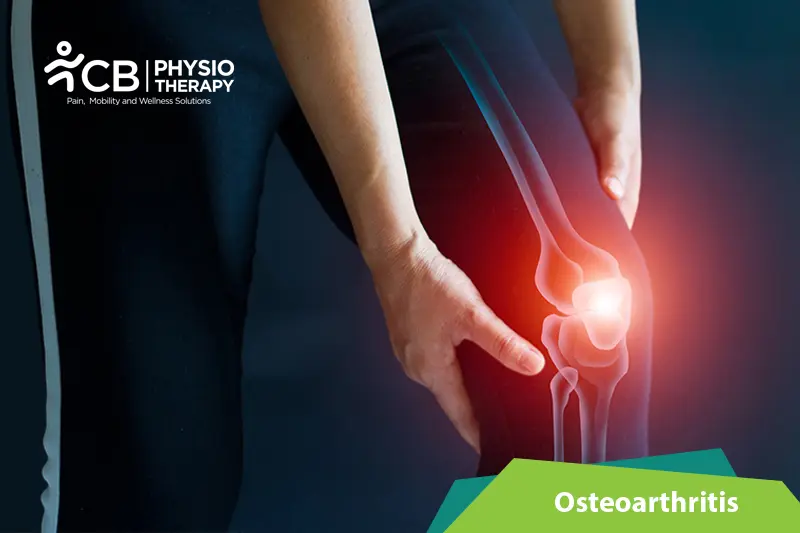
Tecar therapy is highly effective for treating conditions
like:
Rehabilitation and Pain Management:
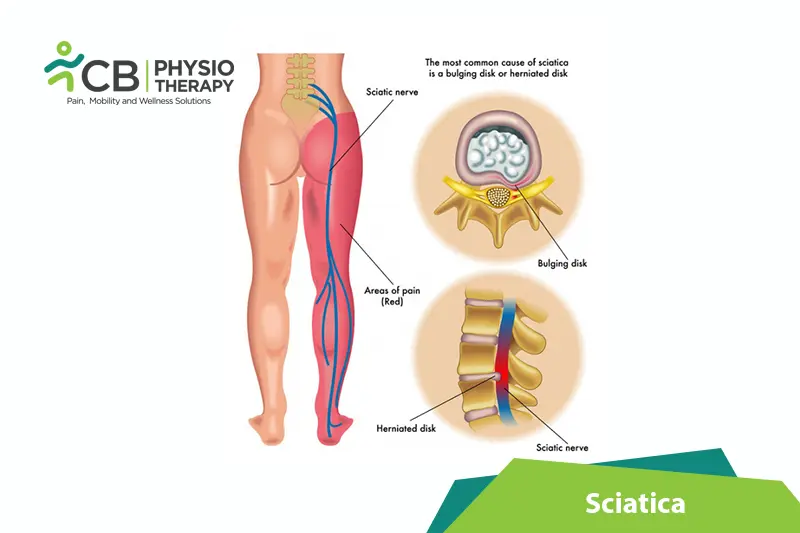
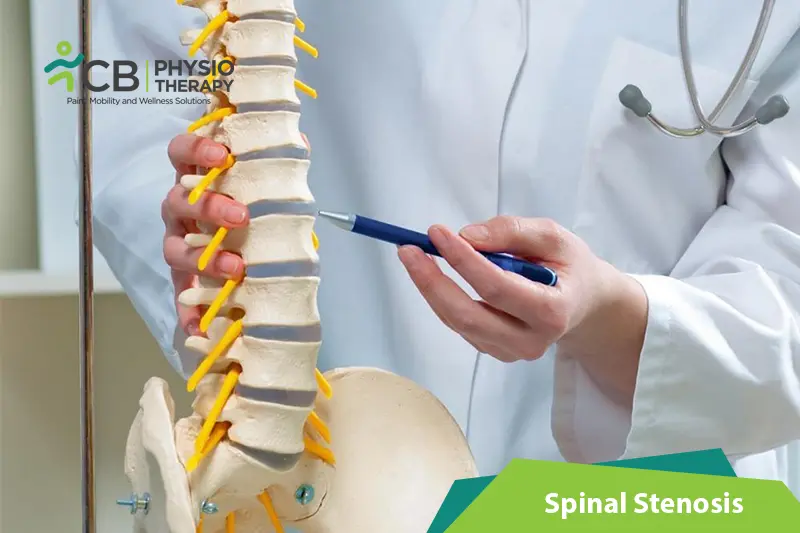
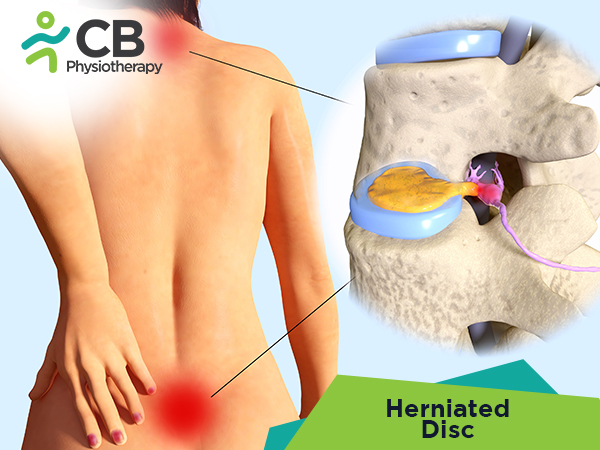
2. Back pain, Neck pain, sciatica, herniated discs, and spinal
conditions
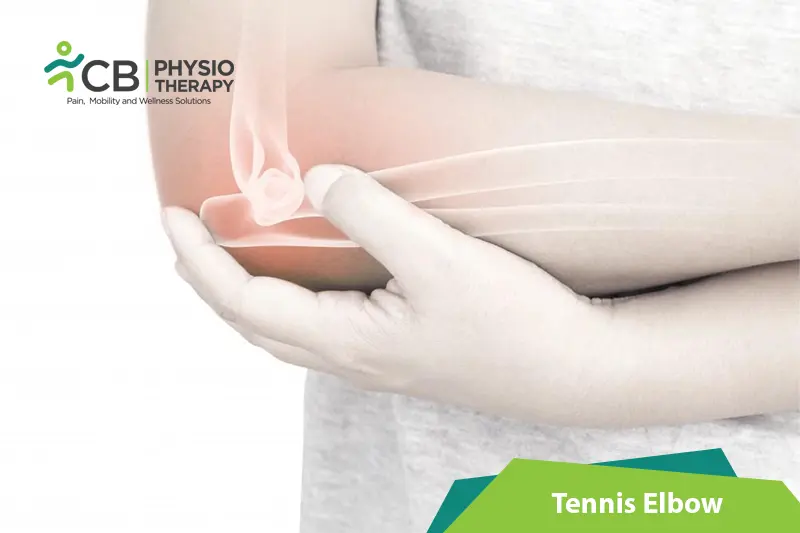
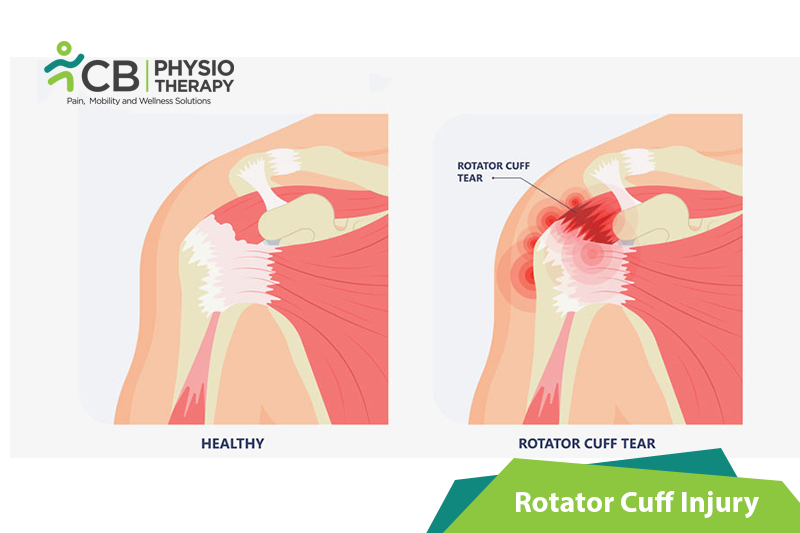
3. Tendonitis and Muscle injuries, rotator cuff, tennis
elbow, Achilles tendonitis
4. Post-surgical recovery, faster healing after
orthopedic procedures
Sports Performance & Injury Recovery:
2. Ligament and Tendon injuries, Acl rehab, sprains,
strains
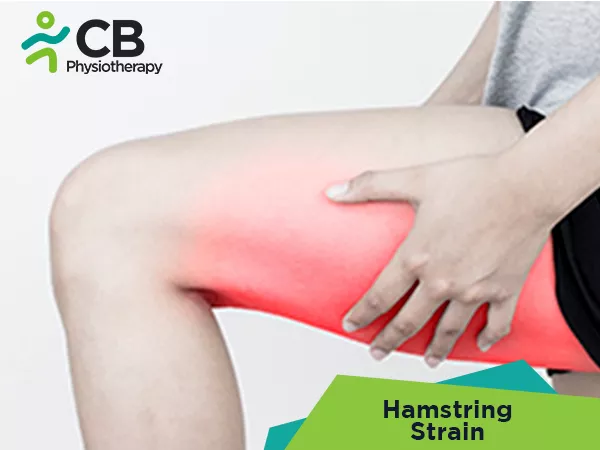
3. Sports injuries, hamstring pull, rotator cuff injuries
Performance Enhancement, increased circulation and flexibility, etc
TECAR Therapy is very safe when performed by trained
professionals. However, minor and temporary side effects may occur:
2. Slight tingling during or after the
session.
3. Fatigue or soreness if deep muscle
work was done
These usually resolve within a few hours.
TECAR therapy is generally safe, but is contraindicated in
the mentioned conditions:
2. Active Infection
3. Pacemaker
4. Metal implants
5. Epileptic patients
6. Severe cardiac conditions
8. Hemorrhagic or anticoagulated states
9. Pregnancy (especially on the abdominal/pelvic region).