

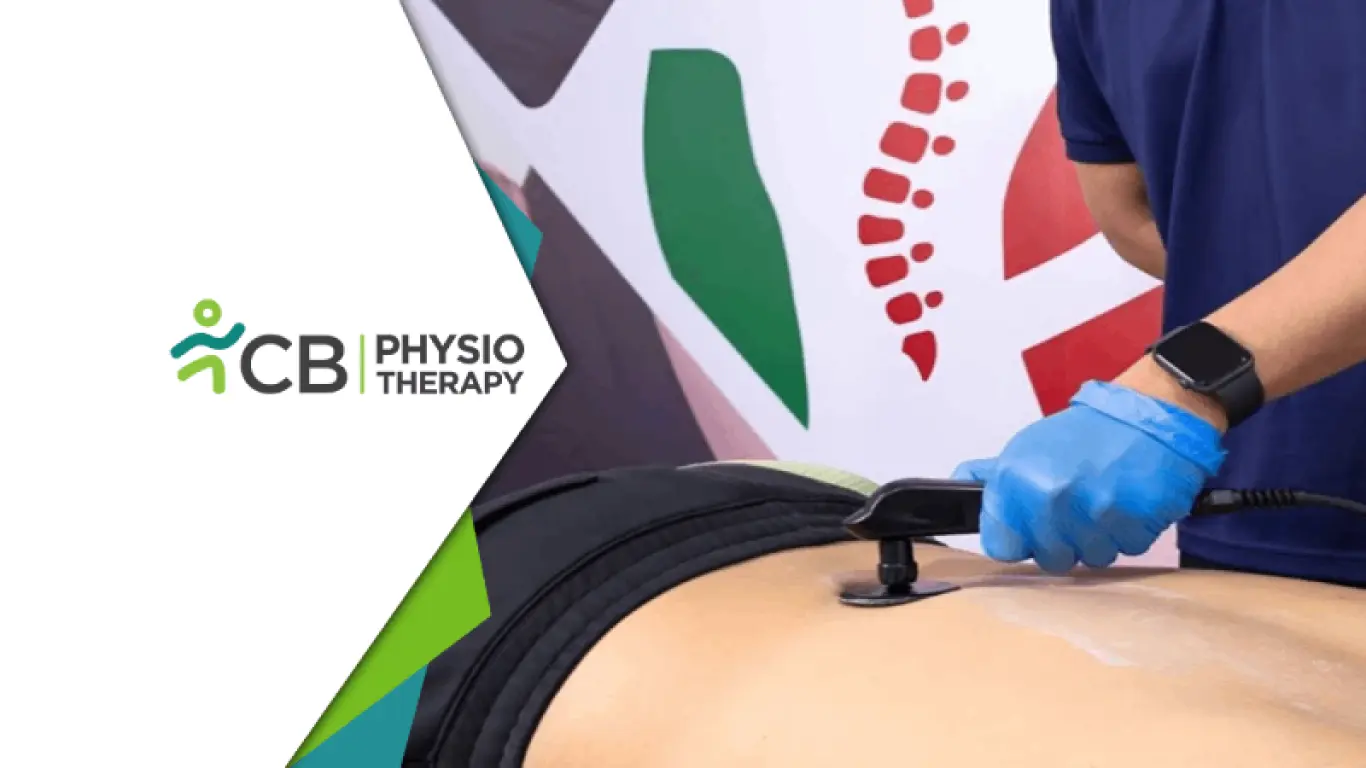
In today’s world of physiotherapy, the tools used to treat
injuries and chronic pain have gone far beyond ice packs and exercise bands.
With technological advancements revolutionizing the healthcare industry,
physiotherapists now have access to a range of cutting-edge modalities that
accelerate healing, reduce pain, and improve patient outcomes dramatically.
Among the most powerful of these are Shockwave Therapy, TECAR Therapy, and
Laser Therapy. These three modalities offer different mechanisms of action, but
they share one common goal: helping patients recover faster and more
effectively.
Let’s explore
what each of these advanced physio tools can do, how they work, and why they’re
worth knowing about—whether you’re a patient, a healthcare professional, or
just someone interested in the future of physical rehabilitation.
1. Shockwave Therapy (Extracorporeal Shockwave Therapy – ESWT)
A. What is it?
Shockwave Therapy uses high-energy acoustic waves that are
transmitted through the skin to injured or painful areas. These waves stimulate
cellular repair, improve blood circulation, and can even break down
calcifications in tissues.
B. How does it work?
Shockwaves trigger a controlled microtrauma in the targeted
tissue, which initiates the body’s natural healing process. This results in
increased blood flow, the release of growth factors, and faster regeneration of
damaged structures like tendons, ligaments, and bones.
C. Conditions commonly treated with Shockwave Therapy:
Achilles tendinopathy
Tennis or golfer’s elbow
Calcific shoulder tendinitis
Patellar tendinopathy
Chronic muscle pain or trigger points
D. Why it stands out:
Shockwave Therapy is particularly effective for stubborn,
chronic conditions that haven’t responded well to conventional treatments. It’s
non-invasive, quick (sessions last 5–10 minutes), and often requires fewer
treatments compared to traditional physiotherapy.
2. TECAR Therapy (Transfer of Energy Capacitive and Resistive)
A. What is it?
TECAR Therapy is a form of deep thermotherapy that uses
radiofrequency energy to stimulate tissue healing and reduce inflammation.
Unlike surface heating tools, TECAR works deeper by delivering energy directly
to muscles, tendons, joints, and even bones.
B. How does it work?
TECAR operates in two modes—capacitive (more superficial
tissues like muscles) and resistive (deeper tissues like tendons, ligaments,
and bones). Radiofrequency energy increases the internal temperature of
tissues, promoting circulation, boosting oxygenation, and accelerating cell
metabolism.
C. Conditions commonly treated with TECAR Therapy:
Osteoarthritis
Low back pain
Sports injuries
Post-surgical recovery
Chronic inflammation
D. Why it stands out:
TECAR Therapy provides deep, targeted heat that patients
often describe as pleasantly warm rather than painful. It enhances manual
therapy sessions by relaxing muscles and reducing pain, making it a favorite
among elite athletes and sports physiotherapists.
3. Laser Therapy (Low-Level Laser Therapy – LLLT / High-Intensity Laser Therapy – HILT)
A. What is it?
Laser Therapy uses focused light energy to stimulate healing
at the cellular level. Depending on the wavelength and intensity, lasers can
penetrate different depths of tissue to provide either a superficial or deep
therapeutic effect.
B. How does it work?
Laser light interacts with the mitochondria (the powerhouse
of the cell), encouraging them to produce more energy (ATP). This increase in
cellular energy accelerates tissue repair, reduces inflammation, and relieves
pain. LLLT is often used for shallow structures and wound healing, while HILT
is ideal for deeper tissues and more severe injuries.
C. Conditions commonly treated with Laser Therapy:
Neck and back pain
Arthritic joints
Nerve injuries or neuropathy
Soft tissue injuries
Surgical scars or wounds
D. Why it stands out:
Laser Therapy is painless, non-invasive, and suitable for a
wide range of patients—from elderly individuals with joint pain to athletes
recovering from acute injuries. It's especially effective in reducing
inflammation and accelerating healing at the microscopic level.
The integration
of advanced technologies like Shockwave, TECAR, and Laser Therapy is
transforming the landscape of physical rehabilitation. These tools not only
offer non-invasive, drug-free pain relief, but they also target the root causes
of dysfunction, helping patients return to their daily activities—or
sports—faster and stronger.
If you're
struggling with a stubborn injury or chronic pain, ask your physiotherapist
whether one of these advanced modalities might be right for you. With the right
technology and expert guidance, recovery doesn't have to be a long and
frustrating journey. It can be faster, more effective, and even more
comfortable.
Your body deserves the best, so why not take advantage of the tools that modern physiotherapy has to offer?